
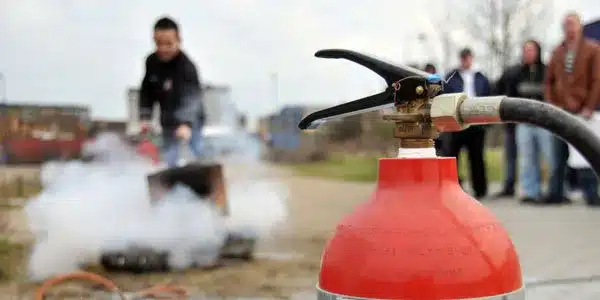
Fire safety training is one of the most critical investments any employer can make. A fire in the workplace can cause devastating loss of life, serious injury, and irreparable damage to a business and in many cases, the consequences are made significantly worse by a lack of preparedness. Proper fire safety training equips employees with the knowledge, skills, and confidence to respond effectively when it matters most.
This article explores why fire safety training is so important, what the law requires, what good training looks like, and how organisations of all sizes can ensure their people are genuinely prepared.
Why Fire Safety Training Matters
Every year, thousands of fires occur in UK workplaces. While many are contained quickly without serious harm, the cost of those that escalate, in human and financial terms, is severe. According to the Home Office, fire and rescue services in England attend tens of thousands of primary fires annually, many of which occur in commercial and industrial premises.
The reality is that most fire-related fatalities and injuries are preventable. The difference between an incident that is managed safely and one that turns tragic often comes down to whether the people on the premises knew what to do.
Fire safety training matters because it:
- Ensures employees can identify and respond to fire hazards before they escalate
- Reduces panic by giving people clear, practised procedures to follow
- Enables designated fire wardens to take control during an evacuation
- Helps organisations meet their legal obligations under UK fire safety law
- Protects not just employees, but visitors, contractors, and members of the public
A trained workforce is a safer workforce. The time invested in fire safety training is minimal compared to the potential cost of being unprepared.
The Legal Requirement for Fire Safety Training
Fire safety training in the workplace is not optional, it is a legal requirement. The Regulatory Reform (Fire Safety) Order 2005 (RRO) places a clear duty on the ‘responsible person’ (typically the employer or building owner) to ensure that all employees receive adequate fire safety information, instruction, and training.
What the Law Requires
Under the Regulatory Reform (Fire Safety) Order 2005, responsible persons must:
- Carry out and regularly review a fire risk assessment for the premises
- Implement appropriate fire safety measures based on the findings
- Provide employees with clear information about fire risks and the measures in place
- Ensure employees receive instruction and training in fire safety procedures
- Appoint a sufficient number of competent persons to assist with fire safety, including evacuation
Training must be provided when an employee first starts work, when they move to a new role or location, when fire safety procedures change, and at regular intervals thereafter. The frequency of refresher training will depend on the nature of the workplace and the level of risk, but annual refreshers are widely considered best practice.
Failure to comply with the RRO can result in enforcement action, improvement or prohibition notices, unlimited fines, and in serious cases, criminal prosecution.
Who Needs Fire Safety Training?
All employees require a basic level of fire safety awareness training. However, certain individuals need more in-depth training to carry out specific roles.
General Staff
Every employee, regardless of their role, should understand:
- The fire risks present in their workplace
- The location of fire exits, escape routes, and assembly points
- How to raise the alarm and what to do when they hear it
- The procedure for evacuating the building safely
- Who the fire wardens are and how to assist them
Fire Wardens (Fire Marshals)
Fire wardens (sometimes called fire marshals) play a central role in workplace fire safety. They are responsible for assisting with evacuation, checking that areas are clear, and reporting to the assembly point. Given this responsibility, fire wardens require dedicated, more comprehensive training that covers:
- The causes and development of fire
- Fire prevention and identifying hazards
- The correct use of fire extinguishers
- Evacuation procedures and how to manage people during an emergency
- Communication with the fire service on arrival
- Completing evacuation checks and reporting to the designated assembly point
The number of fire wardens required will depend on the size and nature of the premises. As a general guideline, one fire warden per 50 employees is recommended, though higher-risk environments may require a greater ratio.
Senior Managers and Responsible Persons
Those with overall responsibility for fire safety should have a thorough understanding of their legal obligations, the fire risk assessment process, and how to review and update fire safety procedures. In larger organisations, dedicated fire safety managers or officers may be appointed.
What Good Fire Safety Training Covers
Effective fire safety training is not simply a box-ticking exercise. It should give employees a genuine understanding of fire risk and equip them to respond effectively in an emergency. Quality training programmes typically cover the following areas:
Fire Science and Behaviour
Understanding how fires start, develop, and spread helps employees appreciate the importance of fire prevention and early intervention. Training will typically explain the fire triangle (heat, fuel, and oxygen), the different classes of fire, and how fire spreads through buildings.
Workplace Fire Hazards
Every workplace has its own specific fire risks. Good training contextualises fire safety to the actual environment employees work in, covering the hazards most relevant to that setting, whether that is a commercial kitchen, an office environment, a warehouse, or a healthcare facility.
Fire Prevention
Training should cover practical steps employees can take to reduce fire risk, including safe storage of flammable materials, electrical safety, good housekeeping, and reporting potential hazards.
Emergency Procedures
All employees must be clear on what to do when a fire is discovered or when the alarm sounds. This includes how to raise the alarm, how to evacuate safely, where the assembly point is, and not to use lifts or return to the building until given the all-clear.
Fire Extinguisher Use
While employees should never put themselves at risk attempting to fight a fire, basic knowledge of fire extinguisher types and their appropriate uses is a valuable component of training, particularly for fire wardens and those in higher-risk environments. Practical hands-on extinguisher training is often included as part of fire warden courses.
Evacuation Procedures and Drills
Regular fire drills are a legal requirement and an essential complement to classroom training. Drills allow employees to practise evacuation in a low-pressure environment, identify any weaknesses in the procedure, and build muscle memory so that the correct response becomes automatic in a real emergency.
The Role of the Fire Warden
The fire warden is arguably the most important person in a workplace fire emergency. While the fire service should always be called, the reality is that the first minutes of an incident are managed entirely by the people on the premises. A well-trained fire warden can make a critical difference to the outcome.
Fire wardens are responsible for:
- Conducting regular fire safety checks and inspections
- Identifying and reporting fire hazards
- Assisting with the safe evacuation of the building when the alarm sounds
- Conducting sweep checks of their designated area to ensure no one is left behind
- Accounting for all employees and visitors at the assembly point
- Liaising with the fire service on arrival and providing information about the premises
- Maintaining records of drills and incidents
Fire wardens should be selected carefully — ideally individuals who are calm under pressure, familiar with the building layout, and present reliably during working hours. Sufficient deputies should also be trained to account for absences and shift patterns.
How Often Should Fire Safety Training Be Refreshed?
Fire safety training should not be a one-off event. Workplaces change, new employees join, layouts are modified, processes evolve, and fire risks shift accordingly. Training must keep pace with these changes.
As a minimum, fire safety training should be refreshed:
- When a new employee joins the organisation
- When an employee changes role or moves to a different site or building
- When fire safety procedures, escape routes, or assembly points change
- Following a fire incident or near-miss
- At regular intervals – annually is widely considered best practice for fire warden training
Regular refresher training keeps knowledge current, reinforces good habits, and ensures that all designated fire wardens remain confident and capable in their role.
The Business Case for Fire Safety Training
Beyond legal compliance, there is a compelling business case for investing in thorough fire safety training.
- Reduced risk of fire incidents: Well-trained employees are better at identifying and addressing hazards before they become emergencies.
- Faster, safer evacuation: Practised procedures and confident fire wardens mean that evacuations are completed quickly and without panic.
- Lower insurance costs: Many insurers take a favourable view of organisations with robust fire safety management, which can be reflected in premiums.
- Reduced liability: In the event of a fire, demonstrating that thorough training was in place can be significant in any subsequent legal proceedings.
- Employee confidence and wellbeing: Employees who feel safe at work are more productive and more engaged. Knowing that their employer takes fire safety seriously contributes to a positive workplace culture.
- Business continuity: A fire can devastate a business. Preventing one, or managing one effectively when it does occur, protects the organisation’s ability to continue operating.
Book Fire Warden Training with Thameside Fire Protection
Thameside Fire Protection delivers expert Fire Warden training courses tailored to your workplace, whether you need a half-day refresher or a comprehensive full-day programme. Our accredited trainers bring real-world fire safety experience directly to your site, helping your team build the knowledge and confidence to protect lives.
Our Fire Warden training includes:
- On-site or remote delivery to suit your business
- Accredited certification upon completion
- Practical fire extinguisher training available
- Courses suitable for all industries and workplace sizes
Find out more about our fire warden training.
FAQs
How often does fire safety training need to be renewed?
There is no single prescribed frequency in law, but training must be provided when an employee starts, when their role changes, and whenever procedures are updated. For fire wardens specifically, annual refresher training is widely considered best practice, and many accreditation bodies recommend it.
What is the difference between a fire warden and a fire marshal?
In practice, the terms are used interchangeably. Both refer to a trained individual responsible for assisting with fire safety and evacuation procedures within the workplace. Some organisations use ‘fire marshal’ to refer to the person with overall responsibility for fire safety, and ‘fire warden’ for those with area-specific responsibilities, but there is no standard legal distinction.
How many fire wardens does a workplace need?
The number of fire wardens required depends on the size, layout, and risk profile of the premises. As a general guideline, one fire warden per 50 employees is a common starting point, but higher-risk environments or complex buildings may require more. A fire risk assessment will typically identify the appropriate number.
What qualifications do fire safety trainers need?
There is no single mandatory qualification for fire safety trainers in the UK, but reputable providers will hold relevant accreditations and their trainers will have practical fire safety experience. Look for providers accredited by recognised bodies such as the Institute of Fire Safety Managers (IFSM) or the Fire Industry Association (FIA).
What should I do if an employee refuses fire safety training?
As an employer, you have a legal duty to ensure employees receive adequate fire safety training. Refusal to participate is a serious matter that should be addressed through your standard HR and disciplinary procedures. Employees should be made aware that fire safety training is a legal requirement and a condition of their employment.
Does fire safety training cover the use of fire extinguishers?
Comprehensive fire warden training typically includes guidance on fire extinguisher types and their appropriate uses, often with a practical element. General staff training will usually cover the theory and the importance of not attempting to fight a fire unless it is safe and appropriate to do so.
How long does fire warden training take?
Fire warden training typically takes between half a day and a full day, depending on the level of detail and whether practical elements are included. Some providers offer bespoke courses tailored to the specific requirements of the workplace. Refresher courses for previously trained wardens are generally shorter.
What records should I keep of fire safety training?
Employers should maintain records of all fire safety training, including the names of attendees, the date and nature of the training, and the name of the trainer or training provider. These records may be requested during a fire safety inspection and can be important evidence of compliance in the event of an incident.